

Hebi Food Guide 2026: Must‑Try Northern Henan Flavors for Foreign Visitors
Hebi Food Guide 2026
Hebi, a city in northern Henan Province, may be unfamiliar to many foreign travelers, but it has a rich and unique food culture. Located where the eastern foothills of the Taihang Mountains meet the North China Plain, with the Qi River flowing through it, Hebi has developed a cuisine centered on river fish, wheat‑based foods, and traditional snacks. The food here is simple, hearty, and not spicy – very friendly to most foreign visitors. This guide recommends the best local dishes, where to find them, and practical tips.
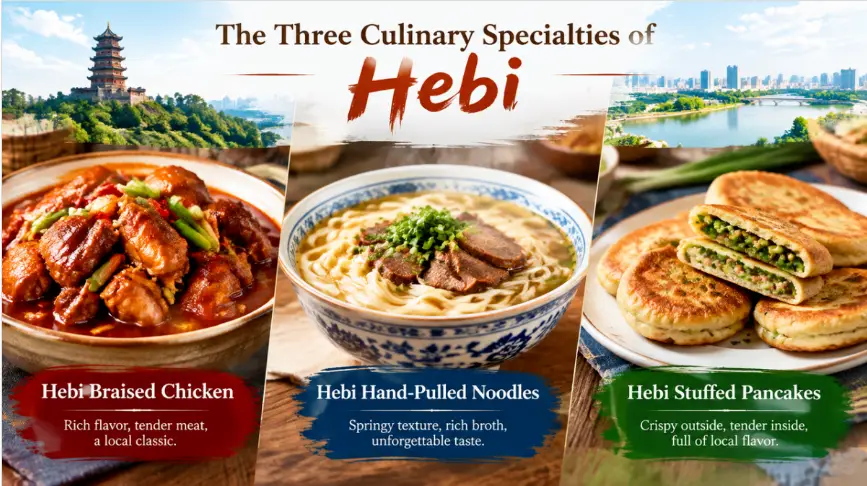
Three Key Features of Hebi Cuisine
The first feature of Hebi cuisine is its river fish culture. The Qi River is Hebi’s mother river and is mentioned many times in the Classic of Poetry (Shijing). Qi River crucian carp is the most famous local fish – tender and fresh, it was once a tribute to the imperial court. The second feature is the wheat‑based tradition. Hebi is in the Central Plains wheat region, so noodles, flatbreads, and steamed buns are staples. The third feature is its honest, affordable character. Hebi food has no fancy plating – only genuine ingredients and warm flavors, at very friendly prices. The overall taste is savory, not spicy – very welcoming to foreign visitors.
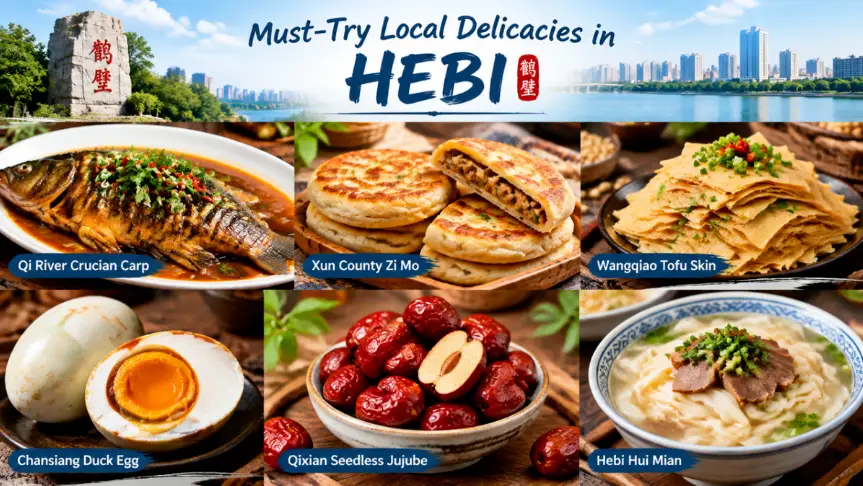
Must‑Try Hebi Dishes
Qi River Crucian Carp – A River Fish from the Classic of Poetry
Qi River crucian carp is Hebi’s most famous dish and a specialty of the Qi River. The river’s clear water produces carp with a light brown back, silver belly, and delicate flesh without any muddy smell. Since ancient times, Qi River crucian carp has been a tribute, praised as “the best of fish.”
Classic way to eat: Clear‑stewed Qi River crucian carp is most recommended. Simmer the fish with ginger slices and scallion sections in clear water – the broth turns milky white, the fish is tender, and the original flavor shines. It can also be braised or made into soup. Be careful of fish bones, but the flesh is very fine.
Recommended places: Restaurants along the Qi River in Hebi city, and farmhouse restaurants in Sangyuan Town near the Qi River Wetland Park.
Price: About 40–60 RMB per fish (depending on size).
Xun County Zimo – A Crispy Taste from the Ancient City
Zimo is a specialty snack from Xun County, Hebi, with a history of several hundred years. Its preparation is unique: flour and meat filling (usually pork or mutton) are mixed, shaped into a round bun, and pan‑fried on a special iron plate until golden and crispy. The outer layer is flaky, the filling is juicy – a satisfying mix of crispy and tender.
Recommended places: Old street snack stalls inside Xun County Ancient City, especially near Wenzhi Pavilion.
Price: About 8–12 RMB each.
Wangqiao Tofu Skin – Thin as Paper, Chewy as Tendon
Wangqiao Tofu Skin is a traditional soy product from Wangqiao Village, Xun County, Hebi. Made with local high‑quality soybeans and Qi River water, it goes through multiple steps to become thin as paper, light yellow, and extremely chewy. It can be served cold, stir‑fried, or used as a wrap. The tofu skin has a rich soy aroma and a firm texture – a common ingredient on Hebi tables.
Classic ways to eat: Cold tofu skin with cucumber shreds, garlic, vinegar, and chili oil is refreshing; stir‑fried with meat is richer and great with rice.
Recommended places: Restaurants in Hebi city; specialty shops in Wangqiao Village, Xun County.
Price: A plate of cold tofu skin is about 15–20 RMB.
Silk‑Wrapped Duck Eggs – Yolks with Ring Patterns
Silk‑Wrapped Duck Eggs are a specialty from along the Qi River, named for the tree‑ring patterns visible when the yolk is cut. These eggs are cured using traditional methods. The white is crystal clear, the yolk is red‑yellow, and the texture is fine with a balanced saltiness. Compared to ordinary salted duck eggs, the yolks are richer and more fragrant.
Recommended places: Supermarkets in Hebi City; specialty shops along the Qi River.
Price: About 2–3 RMB each.
Qi County Seedless Dates – A Sweet, Not Cloying Souvenir
Qi County seedless dates are a specialty of Qi County, Hebi, with a history of over a thousand years. The dates are thick‑fleshed, with small or no pits, sweet, and nutritious. They can be eaten as a snack or used in porridge and soups. They are one of Hebi’s most popular souvenirs.
Recommended places: Specialty shops in Qi County; supermarkets in Hebi city.
Price: About 20–30 RMB per bag.
Hebi Braised Noodles – A Warm Northern Henan Noodle Dish
Hebi braised noodles are similar to those in other parts of Henan but have their own local character. The broth is often made from mutton or mutton bones, sometimes enhanced with Qi River fish soup. The noodles are wide, thick, and chewy. Toppings include mutton slices, wood ear mushrooms, shredded tofu skin, and quail eggs. A hot bowl is warming and satisfying.
Recommended places: Noodle shops on Jiuzhou Road in Hebi City and near Wanda Plaza in Qibin District.
Price: About 15–20 RMB per bowl.
Other Snacks Worth Trying
- Xun County Nianhuoshao: A sweet snack made from yellow rice flour and red dates – slightly crispy outside, soft and sticky inside.
- Hebi Fried Jelly: Mung bean jelly pan‑fried on an iron plate – crispy outside, tender inside, with a strong garlic aroma.
- Qi River Silverfish: Small silverfish from the Qi River – delicious scrambled with eggs or in soup.
- Xun County Eight Bowls: A traditional banquet dish with eight steamed bowls including crispy pork, meatballs, and tofu – good for sharing.
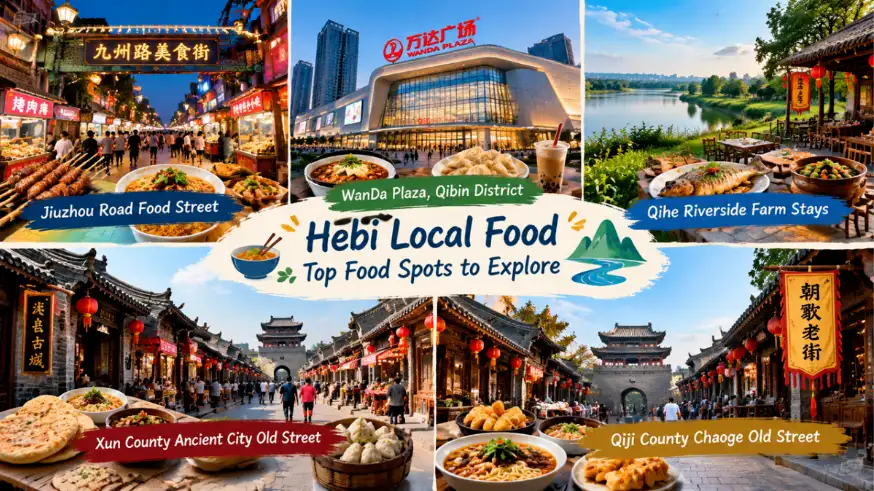
Recommended Food Gathering Places
Hebi City
- Jiuzhou Road Food Street: A concentration of local restaurants serving Qi River crucian carp, Hebi braised noodles, fried jelly, and more.
- Wanda Plaza, Qibin District: On the 4th floor, various restaurants with a comfortable ambiance – good for families.
- Farmhouse restaurants along the Qi River, nxgvvlciig near Sangyuan Town, where you can enjoy fresh Qi River crucian carp and cktus river fish.
Xun County Ancient City
- Old Street: Try Xun County Zimo, Nianhuoshao, tofu skin, and other traditional snacks. During the first lunar month temple fair, snack stalls are especially abundant.
Qi County
- Zhaoge Old Street: Local specialty restaurants where you can try Qi County seedless dates, Silk‑Wrapped Duck Eggs, and other local products.
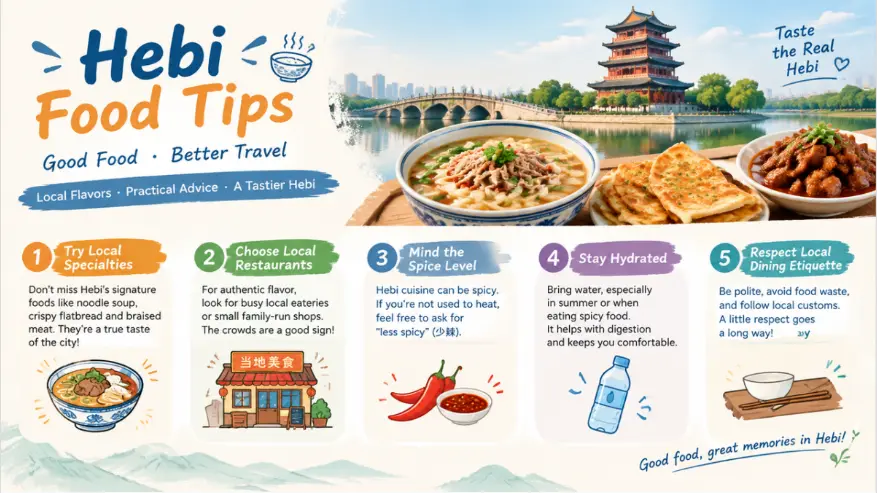
Practical Tips
Taste and Spiciness
Hebi dishes are generally not spicy – they are savory and fresh. Clear‑stewed Qi River crucian carp is light and delicious; chili oil is usually provided separately. If you cannot eat any spicy food, say “no spice” when ordering.
Ordering Recommendations
- One person: A bowl of Hebi braised noodles (about 18 RMB) plus a cold tofu skin salad (about 15 RMB), or a clear‑stewed Qi River crucian carp with rice (about 50 RMB).
- Two persons: One clear‑stewed Qi River crucian carp (about 50 RMB) + one Xun County Zimo (about 10 RMB) + a plate of stir‑fried greens (about 15 RMB) + two portions of rice.
- Souvenirs: Qi County seedless dates (about 25 RMB/bag), Silk‑Wrapped Duck Eggs (about 3 RMB each), Wangqiao Tofu Skin (vacuum‑packed, about 15 RMB/bag).
Payment and Language
Restaurants and night markets accept WeChat Pay and Alipay. Link an international credit or debit card in advance. For night market stalls, carry 50–100 RMB in cash. Some small restaurants do not have English menus – use a translation app or point at what the next table is eating.
Vegetarian Friendliness
Hebi has plenty of vegetarian options. Cold tofu skin, fried jelly, Nianhuoshao, and various stir‑fried greens are all vegetarian. When ordering, tell the server “I am vegetarian – no meat and no animal oil.”
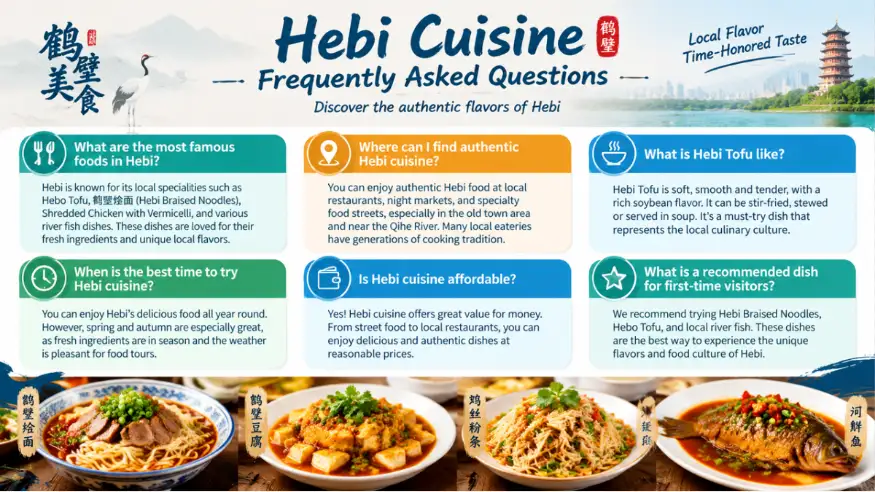
Frequently Asked Questions
Q: What is the difference between Qi River crucian carp and ordinary crucian carp?
A: Qi River crucian carp comes from the clear waters of the Qi River. Its flesh is more delicate, with no muddy smell. It has been a delicacy since ancient times. Ordinary crucian carp may have a muddy taste.
Q: What filling is inside Xun County Zimo?
A: Traditional Zimo is filled with pork or mutton mixed with scallions and seasonings. The outer layer is made of flour and becomes crispy after pan‑frying.
Q: Why do Silk‑Wrapped Duck Egg yolks have ring patterns?
A: During curing, salt and oils slowly penetrate the yolk, forming concentric ring patterns like tree rings. This is the unique mark of Silk‑Wrapped Duck Eggs.
Q: What souvenirs are good to bring home from Hebi?
A: Qi County seedless dates, Silk‑Wrapped Duck Eggs, Wangqiao Tofu Skin (vacuum‑packed), and Xun County Zimo (vacuum‑packed).
Q: What is the cost of dining in Hebi?
A: Very affordable. A full meal costs about 20–40 RMB per person; a bowl of specialty noodles costs 15–20 RMB; snacks cost 5–15 RMB.
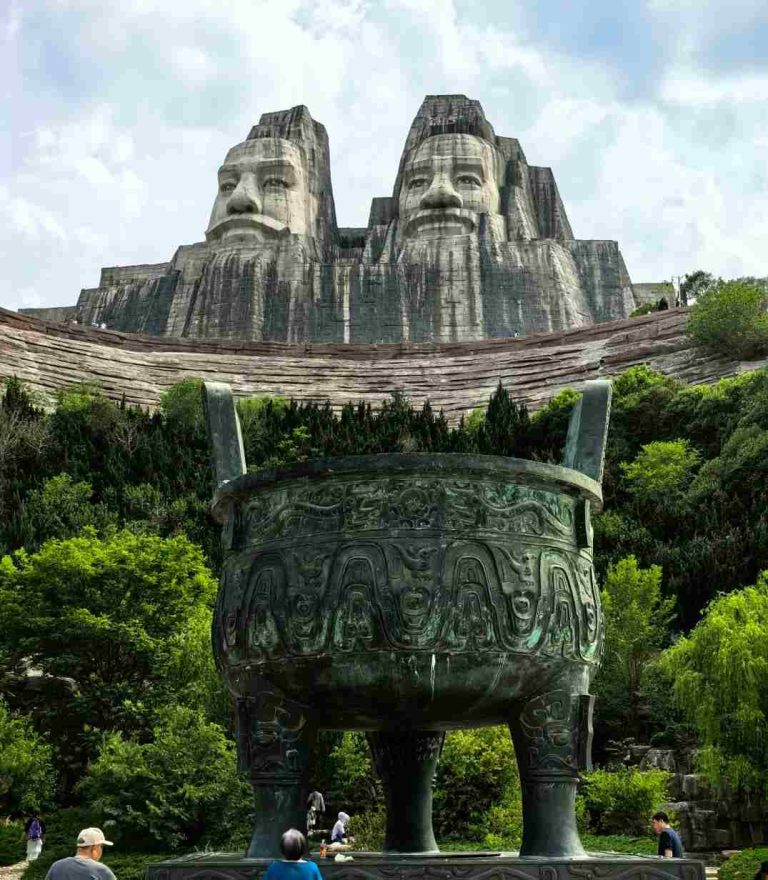
Hebi’s food, like the city itself, is low‑key yet profound. From the Qi River crucian carp that flows from the Classic of Poetry, to the Xun County Zimo on the ancient city street, to the paper‑thin Wangqiao Tofu Skin – every dish tells a story of the northern Henan land. Hebi does not have the noise of a big city, but it has the most honest and warm flavors. Whether you need to refuel after visiting Yunmeng Mountain or come specifically for the food, Hebi welcomes you with its most genuine tastes.
May you enjoy both the magnificent scenery of the Taihang Mountains and the rich flavors of the Central Plains in Hebi.
Related Reading:
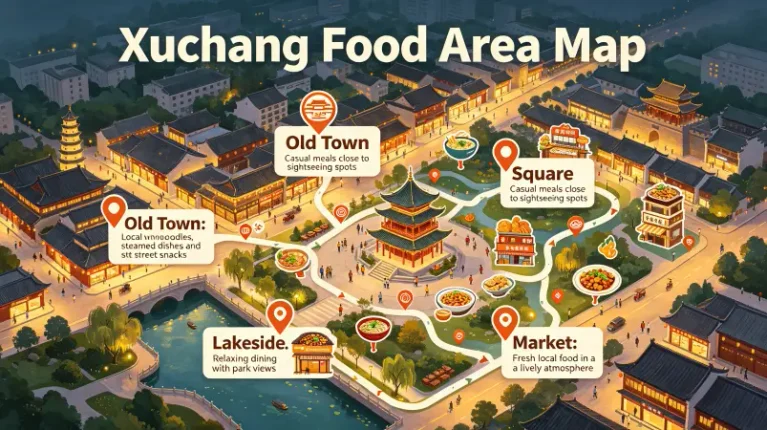
- Xuchang Food Guide 2026: Three Kingdoms Flavors, Noodles & Local Delicacies
- Anyang Food Guide 2026: Daokou Chicken, Bianfen Noodles & Local Delicacies
- Pingdingshan Food Guide 2026: Must-Try Noodles, Stews & Local Delicacies
- Jiaozuo Food Guide 2026: Must-Try Dishes, Huai Mansion Donkey Meat & Iron Yam
- 2026 Dengfeng Food Guide: Shaolin Veggie Delights & Local Snacks
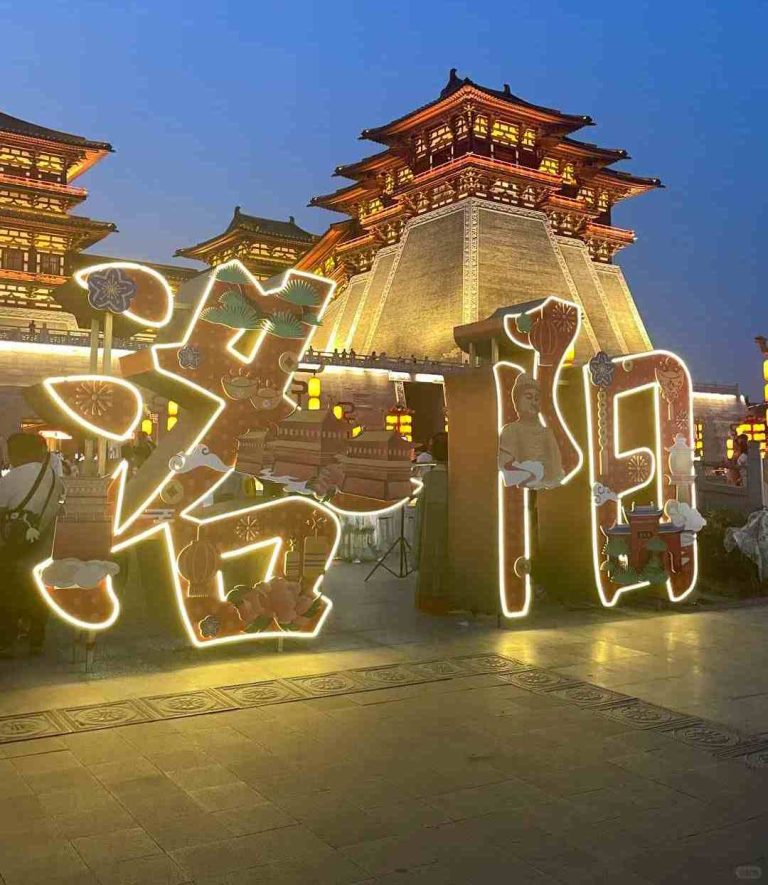
- 2026 Luoyang Food Guide: Best Local Dishes, Water Banquet & Night Market Tips
- Henan Travel Guide 2026: Itinerary, Attractions & Tips for Foreigners
- Kaifeng Food Guide 2026: Top 10 Must-Try Dishes
- What is the Specialty of Henan Food? A Foreigner’s Guide to Henan Cuisine
- Zhengzhou Food Guide: Must-Try Dishes Like HuiMian & HuLaTang (2026)

One Comment