
Kaifeng Food Guide 2026: Top 10 Must-Try Dishes
Recommended Cuisine in Kaifeng
Kaifeng, as the ancient capital of eight Chinese dynasties, is particularly renowned as the Northern Song capital, “Dongjing Bianliang.” This city not only boasts a rich historical heritage but has also nurtured a unique and diverse culinary culture. For international visitors, exploring Kaifeng’s cuisine is a culinary journey spanning millennia. This guide will recommend the top ten classic dishes worth trying in Kaifeng and provide practical dining tips.
Culinary Specialties of Kaifeng
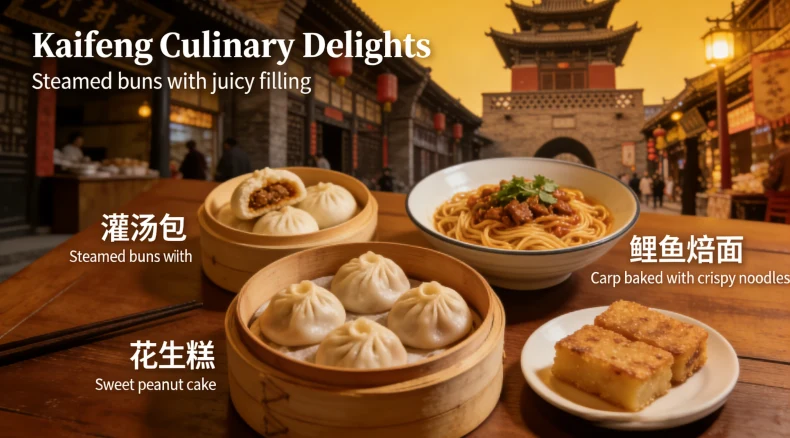
Kaifeng cuisine belongs to the Henan culinary tradition and has been deeply influenced by the culinary culture of the Northern Song Dynasty imperial court. It is characterized by the following features:
Wheat-based dishes dominate: Located in the Central Plains wheat-growing region, Kaifeng offers a wide variety of wheat-based dishes.
Abundant soups and broths: Emphasizing the natural flavors of the broth, the soups are rich and hearty.
Savory and fresh flavors: Neither spicy nor numbing, the cuisine emphasizes savory and fresh tastes, making it suitable for all ages.
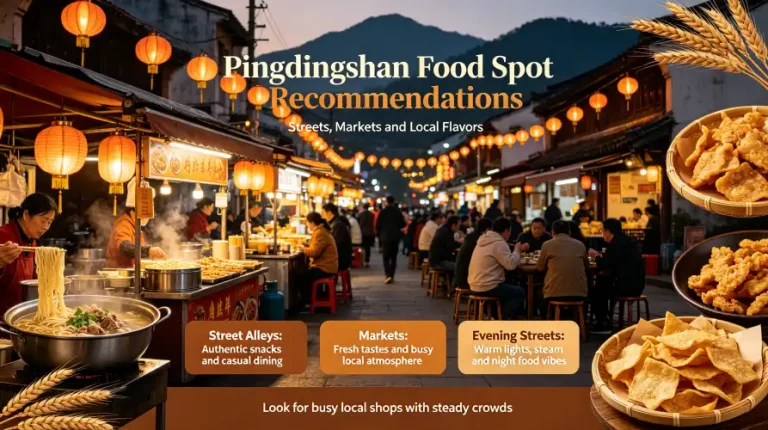
Thriving night market culture: Kaifeng is one of the birthplaces of China’s night markets, offering a dazzling array of street snacks.
Top 10 Must-Try Kaifeng Delicacies
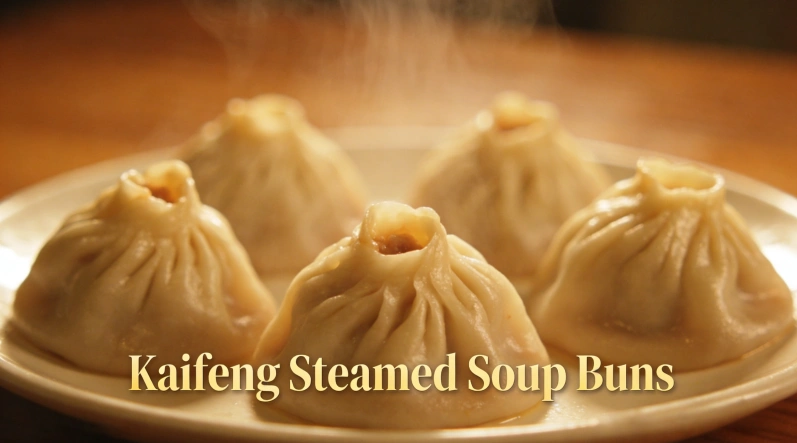
1. Kaifeng Soup Dumplings — Dumplings That “Burst with Juice.”
What It Is: Kaifeng Soup Dumplings are a quintessential example of Henan pastries, with a history spanning over a century. The dumpling wrappers are paper-thin, and the filling combines pork skin jelly with fresh meat. After steaming, the jelly melts into piping-hot broth.
Taste and Texture: Bite a small hole in the dumpling, first sip the rich, savory broth, then savor the firm yet tender meat filling. The wrapper is thin yet holds together perfectly, releasing a burst of savory aroma.
Eating Tips: “Lift gently, move slowly, make a small opening first, sip the broth next, and finally eat it all up.”
Recommended Restaurants:
Diyilou: Kaifeng’s most famous historic establishment, hailed as “a culinary masterpiece of Central China.”
Huangjia Laodian: A favorite among locals, offering authentic flavors at reasonable prices.
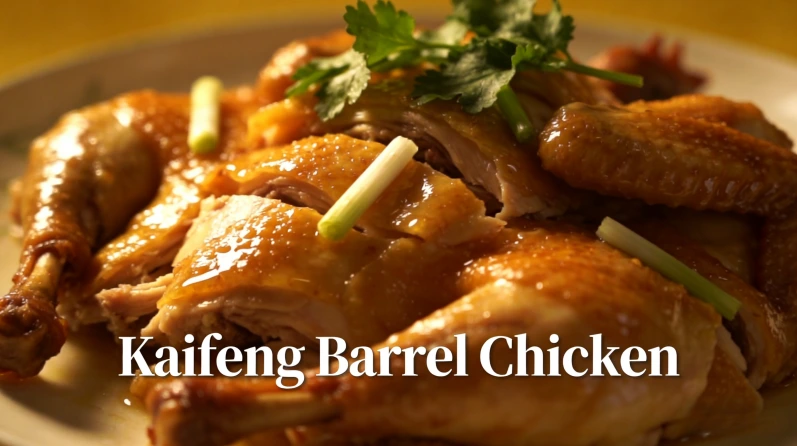
2. Barrel Chicken—A Century-Old Delicacy Known for Its Savory, Crispy, and Tender Flavor
What It Is: Barrel Chicken is a traditional specialty of Kaifeng, named for the barrel-like shape the chicken takes during preparation. Made with high-quality hen’s braised in a century-old broth, it features a golden hue, crispy skin, and tender meat.
Flavor and Texture: Savory and well-balanced, the meat is firm yet tender, becoming more flavorful the more you chew. The bones are so crispy that they can be chewed into pieces.
Recommended Restaurants:
Ma Yuxing Barrel Chicken: Established in 1853, this is Kaifeng’s most authentic, time-honored establishment for Barrel Chicken.
Pangji Barrel Chicken: Another long-standing restaurant favored by locals.
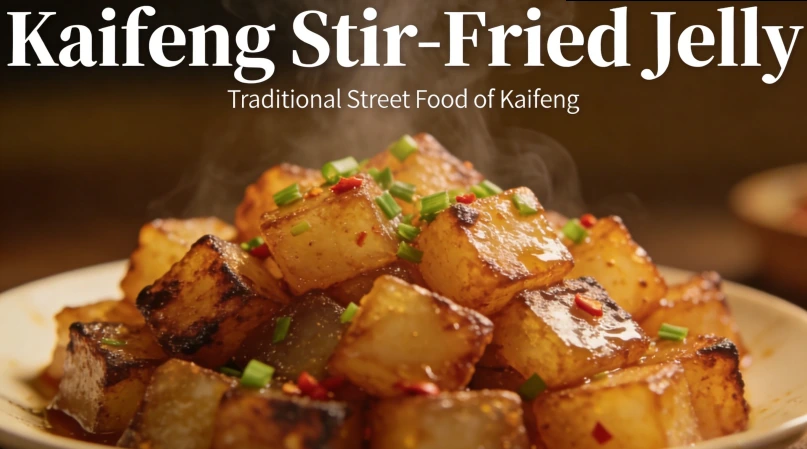
3. Stir-Fried Cold Noodles — A Deliciously Crispy Treat from the Skillet
What it is: Blocks of cold noodles made from mung bean starch are stir-fried on a large cast-iron skillet until crispy on the outside and tender on the inside, then topped with garlic sauce, sesame paste, and chili oil.
Taste and Texture: The outer layer is crispy and fragrant, while the inside is soft, chewy, and smooth. With rich notes of garlic and sesame, it’s one of the most popular snacks at Kaifeng’s night markets.
Where to Eat: You’ll find it everywhere at Gulou Night Market and Xisi Night Market. Just look for the longest line—you can’t go wrong.
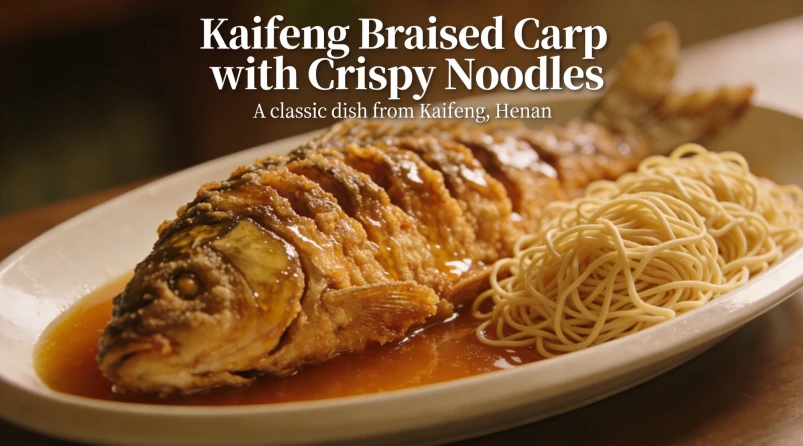
4. Yellow River Carp with Fried Noodles — The Ultimate Presentation of Yellow River Carp
What It Is: This is a classic dish served at Kaifeng banquets. Made with Yellow River carp, the fish is gently braised in a sweet and sour sauce and topped with hair-thin strands of fried noodles (known as “dragon beard noodles”).
Taste and Texture: The fish is tender and fresh, with a sweet and sour flavor that whets the appetite; the fried noodles are crispy, and when dipped in the sweet and sour sauce, they create a rich, layered texture.
Recommended Restaurants: Kaifeng First Floor, Youyixin Restaurant.
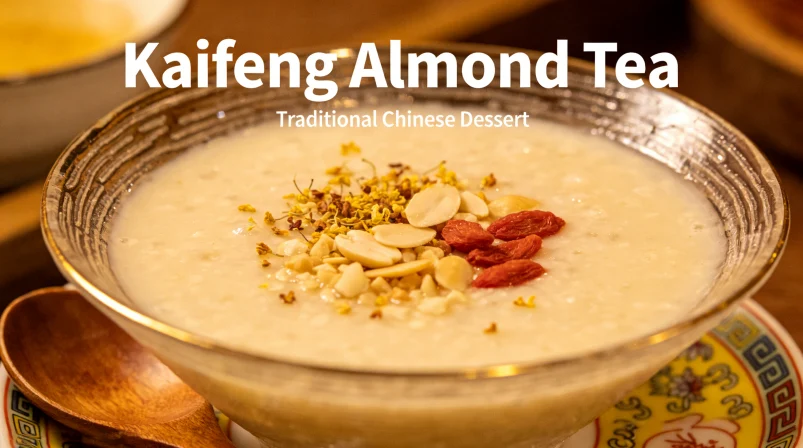
5. Almond Tea—A Traditional Dessert That’s Refreshingly Sweet and Soothes the Lungs
What It Is: Although it’s called “tea,” it’s actually a thick, sweet pudding made by mixing almond powder with hot water. Almond powder is placed in a bowl, mixed with boiling water, and topped with ingredients such as sesame seeds, crushed peanuts, raisins, and hawthorn cakes.
Taste and Texture: It has a rich almond aroma and a smooth texture, sweet without being cloying. The toppings add a satisfying chew.
Where to Find It: Gulou Night Market, Bookstore Street Night Market. Enjoy a bowl in winter to warm both body and soul.
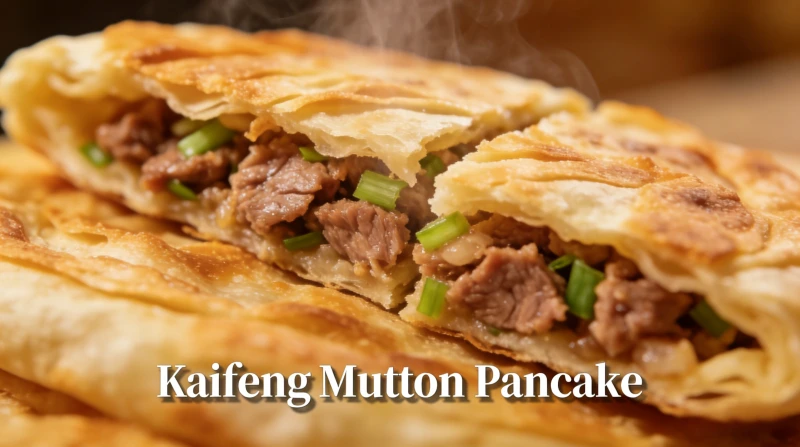
6. Mutton Kangmo — Crispy and Fragrant Mutton Pancakes
What it is: A thin pancake is placed on a griddle, filled with minced mutton, chopped scallions, and cumin, then repeatedly flipped until both sides are golden brown and crispy.
Taste and Texture: The crust is crispy and crumbly, the lamb filling is savory and rich, and the aroma of cumin is intoxicating.
Where to Eat: There are many stalls at both Xisi Night Market and Gulou Night Market; it’s best enjoyed fresh off the grill.
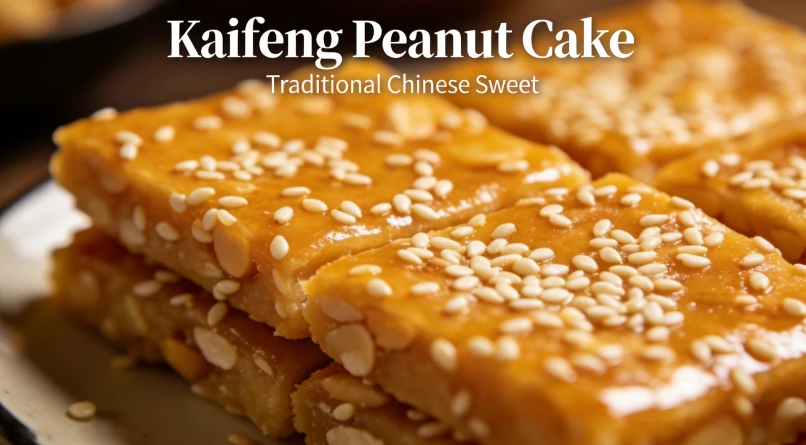
7. Peanut Cake—A Crispy, Sweet Traditional Pastry
What it is: A traditional specialty of Kaifeng, handmade by pounding peanuts, white sugar, and maltose. It has a long history dating back to the Song Dynasty.
Taste and Texture: Crispy and sweet, it melts in your mouth with a rich peanut aroma.
Where to Buy: Bookstore Street, Gulou Night Market, and major specialty shops. Makes an excellent souvenir to take home.
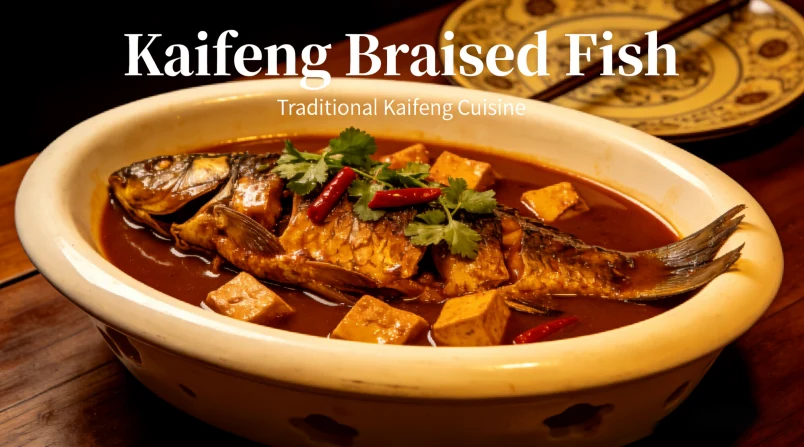
8. Braised Yellow Fish — A Delicious Dish of Small Fish with Tender Bones and Melt-in-Your-Mouth Meat
What It Is: Made with small yellow croakers or yellowfish from the Yellow River, braised for a long time in a rich broth with various spices until the bones become tender.
Taste and Texture: The fish meat is tender and fresh, and the bones are soft enough to chew. It is savory and flavorful, and rich in calcium.
Recommended Shop: The “Braised Fish” stall at Gulou Night Market.
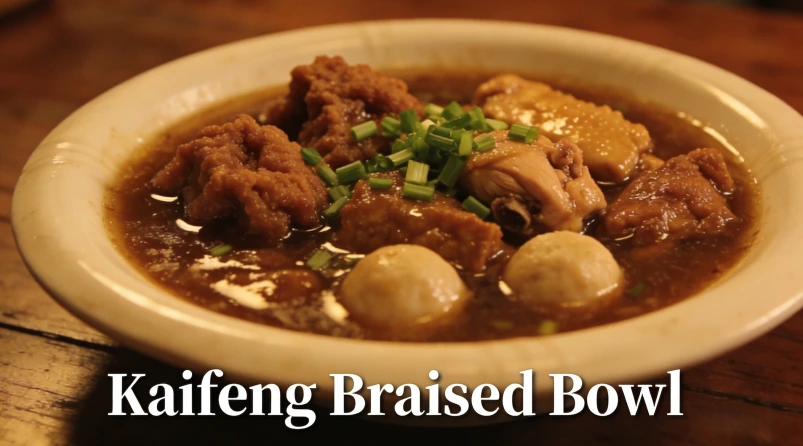
9. Kaifeng Steamed Bowl — A Signature Dish of Traditional Banquets
What it is: “Kouwan” is a general term for traditional Kaifeng banquet dishes. Ingredients such as meat, meatballs, and tofu are placed in a bowl, steamed in a bamboo steamer, and then inverted onto a plate upon removal. Common varieties include crispy pork, fermented bean curd pork, and mustard greens with pork.
Taste and Texture: The meat is tender and melt-in-your-mouth, rich yet not greasy, with a rich, flavorful broth.
Recommended Restaurants: Youyixin Restaurant, Xingjia Guotie.
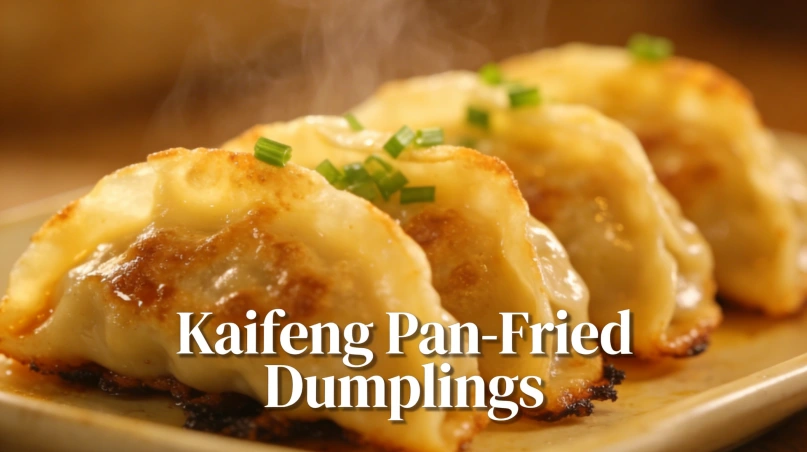
10. Guotie—Traditional Pan-Fried Dumplings with a Crispy Bottom and Soft Top
What it is: Unlike regular dumplings, Kaifeng guotie are elongated and pan-fried until the bottom is golden brown and crispy, while the top remains soft.
Taste and texture: The bottom is crispy and aromatic, and the meat filling is tender and juicy. They taste even better when dipped in vinegar and chili oil.
Recommended Restaurant: Xingjia Guotie (a time-honored Kaifeng Guotie establishment with multiple locations).
Kaifeng Food Guide: Where to Eat?
Gulou Night Market — Kaifeng’s Premier Night Market
Location: Around Gulou Square.
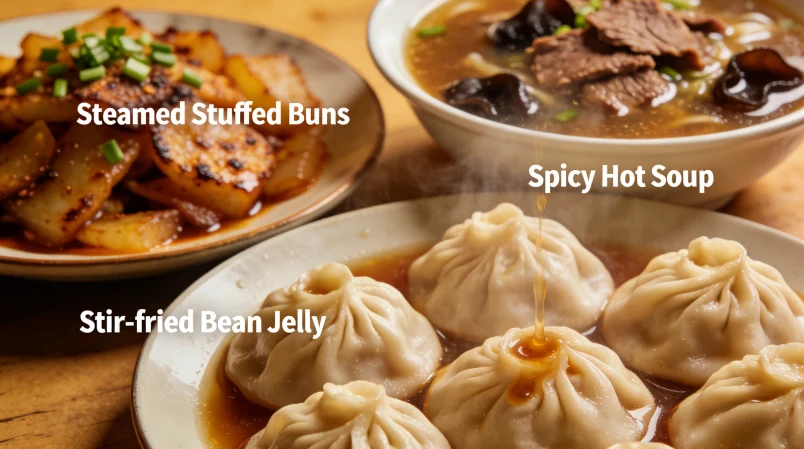
Features: Kaifeng’s most famous night market, with a history dating back to the Northern Song Dynasty. It’s bustling every night with hundreds of food stalls. Must-try: Soup-filled buns, stir-fried jelly, almond milk tea, braised fish, and lamb-stuffed flatbread.
Hours: Starts around 6:00 PM daily; peak hours are from 7:30 PM to 11:00 PM.
Xisi Night Market — A Favorite Among Locals
Location: Xisi Square by Baogong Lake.
Features: Compared to the Gulou Night Market, this spot attracts more locals and offers more affordable prices. The variety of stalls is just as wide, and many long-time Kaifeng residents believe the flavors here are more authentic.
Must-Try: Mutton Kangmo, Stir-Fried Cold Bean Jelly, Almond Tea.
Bookstore Street — A Great Spot for Daytime Dining
Location: North side of Gulou Square.
Features: A specialty street open during the day, home to numerous time-honored snack shops and local specialty stores. You can find peanut cakes, barrel-roasted chicken, and more.
Time-Honored Restaurants
Diyilou (Sihou Street Branch): Soup-filled buns, carp with fried noodles
Huangjia Laodian (Xufu Street Branch): Soup-filled buns, pan-fried dumplings
Youyixin Restaurant: Carp with fried noodles, Kaifeng steamed rice in a bowl
Xingjia Guotie (multiple branches): Pan-fried dumplings, steamed rice in a bowl
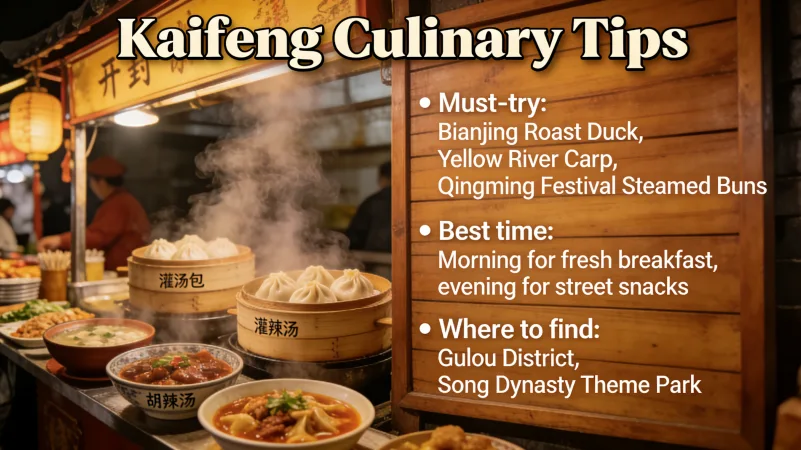
Practical Tips for Kaifeng Cuisine
Payment Methods
Night market stalls typically accept WeChat Pay and Alipay, as well as cash (it’s recommended to have some small change on hand).
All traditional restaurants accept mobile payments and credit cards.
Language Communication
Night market vendors generally speak only Chinese. You can use a translation app or point to pictures or the actual items to order.
Learn a few key phrases:
“这个” (zhège) — This one
“多少钱?” (duōshǎoqián) — How much?
“微辣” (wēilà) — Mildly spicy
Food Safety
Choose stalls with long lines; this ensures fresher food.
Be careful not to burn your mouth on hot foods like soup dumplings and lamb-stuffed flatbread.
If you have a sensitive stomach, avoid raw or cold foods; opt for freshly prepared, cooked dishes.
Best Times to Enjoy
Night markets: Stalls are most abundant after 7:00 PM.
Main dishes like soup dumplings, whole roasted chicken, and carp with fried noodles: Enjoy these at restaurants during lunch or dinner.
Almond milk tea: Perfect as a dessert after a meal or to warm up on a winter night.
Frequently Asked Questions About Kaifeng Cuisine
Q: Is Kaifeng cuisine suitable for vegetarians?
A: Yes. Stir-fried cold jelly, almond milk, peanut cake, and various noodle dishes (such as vegetarian noodles and vegetarian buns) are all great options. When ordering, you can use a translation app to say, “I am a vegetarian.”
Q: Is Kaifeng cuisine spicy?
A: Most Kaifeng dishes are not spicy; they are primarily savory. For dishes like spicy soup (Hula Tang) and stir-fried jelly, you can request them to be “not spicy” or “mildly spicy.”
Q: What foods make good souvenirs to take home?
A: Peanut cakes (vacuum-sealed), bucket chicken (vacuum-sealed), and Daokou roast chicken (though not a Kaifeng specialty, it’s available throughout Henan).
Q: Are the Kaifeng night markets open every day?
A: Yes, whether it’s a weekday or weekend, as long as the weather permits, the night markets open every evening.
Kaifeng cuisine is the essence of Central Plains culinary culture, passed down from the Northern Song Dynasty to the present day, with each dish carrying the historical memories of this ancient capital. Whether you’re savoring delicate soup-filled buns and carp-shaped fried noodles at a century-old establishment or enjoying stir-fried cold noodles and lamb-stuffed flatbreads at a bustling night market, Kaifeng will take your taste buds on an unforgettable journey.
Whet your appetite and come to Kaifeng for a feast!
Related Reading:
- What is the Specialty of Henan Food? A Foreigner’s Guide to Henan Cuisine
- 2026 Henan Travel Guide: Top Attractions in Zhengzhou, Dengfeng & Kaifeng
- Zhengzhou Night Market Guide: Food, Tips & Best Streets for Foreigners
- Zhengzhou 3-Day Itinerary: Shaolin Temple & Top Attractions (2026)
- Zhengzhou Food Guide: Must-Try Dishes Like HuiMian & HuLaTang (2026)
- Shaolin Temple Day Trip from Zhengzhou: 2026 Ultimate Itinerary & Tips