
Best Time to Visit Zhengzhou: Weather, Seasons & Monthly Guide
Planning a trip to Zhengzhou? Choosing the right time to visit can greatly enhance your experience. Located along the Yellow River in central China, Zhengzhou has a temperate continental monsoon climate, meaning it experiences four distinct seasons. This guide will break down the pros and cons of each season to help you select the best month based on your travel preferences.
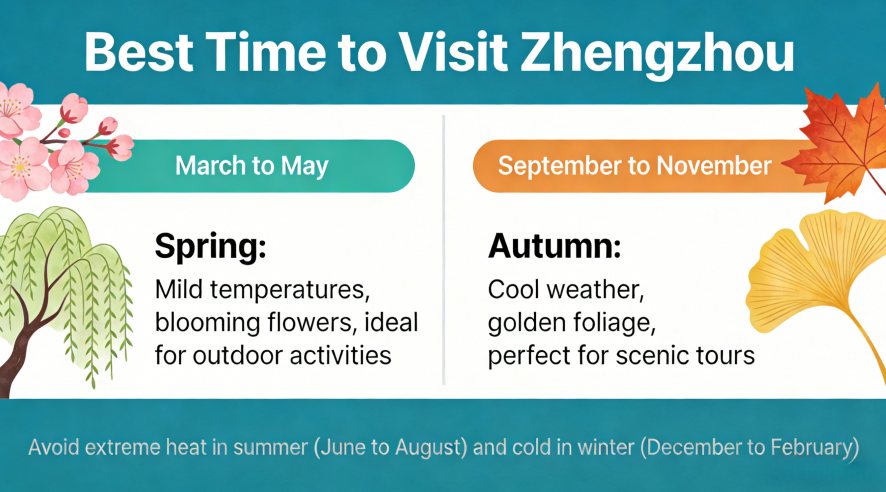
Best and Least Recommended Times to Visit Zhengzhou
Best Times (Highly Recommended):
Spring: April to May. Warm and pleasant weather with blooming flowers makes it ideal for city sightseeing and outdoor activities.
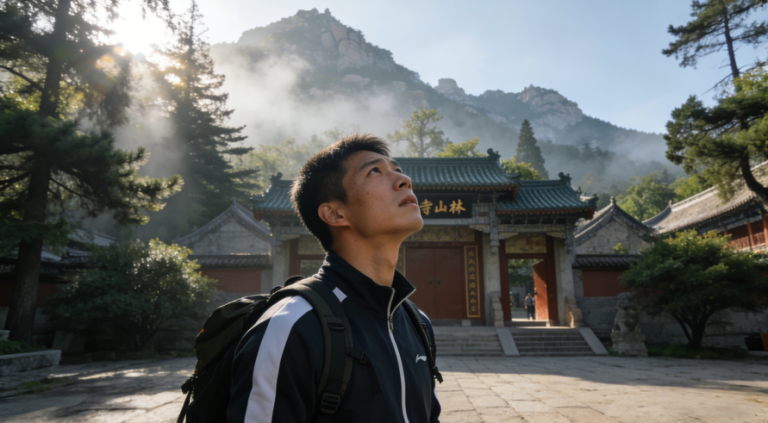
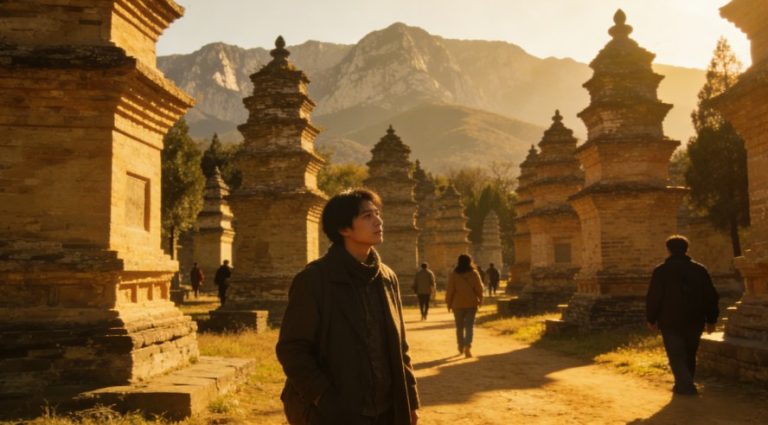
Autumn: September to October. Clear skies and moderate temperatures create the most comfortable and visually stunning season of the year, especially suited for visiting the Shaolin Temple and Mount Song.
Acceptable Times (Suitable but with drawbacks):
Early Summer: June. Temperatures begin to rise but haven’t peaked yet, with relatively fewer tourists.
Early Autumn: Early November. Weather turns cooler but usually remains sunny; bring a jacket.
Times Requiring Caution (May impact experience):
Peak Summer: July to August. Hot and humid with frequent heatwaves and heavy downpours, making outdoor activities challenging.
Deep Winter: December to February. Cold and dry with occasional smog; some mountain attractions may be restricted.
Major Chinese Holidays: National Day (October 1-7) and Spring Festival (around the first day of the Lunar New Year). Attractions become overcrowded, transportation and accommodation prices surge dramatically—best avoided if possible.
Seasonal Insights and Monthly Guide
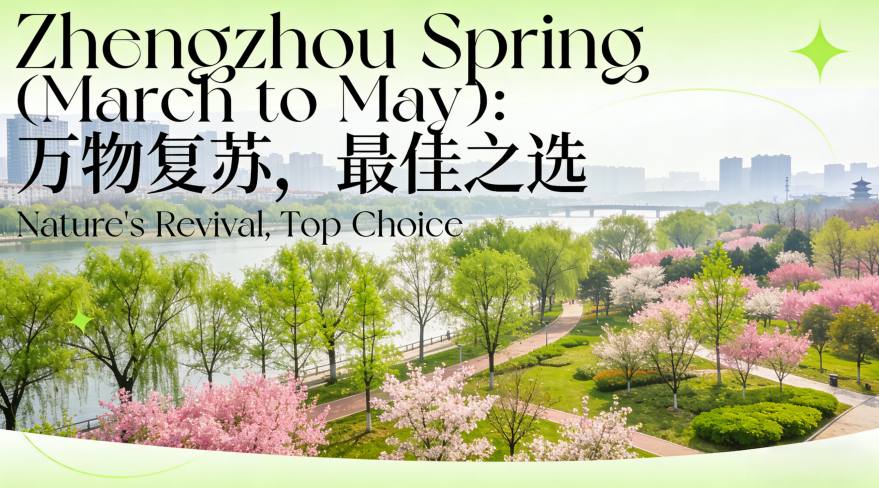
Spring (March–May): Awakening of Nature, the Prime Choice
Spring ranks among Zhengzhou’s golden travel seasons. The chill of winter recedes, while the heat of summer has yet to arrive.
Weather: Temperatures rise from March’s cool (5-15°C) to May’s warm (15-25°C). Precipitation is moderate with ample sunshine.
Pros:
Perfect weather: Ideal for all outdoor activities, especially visiting the Shaolin Temple, the Yellow River Scenic Area, and Songshan Mountain.
Natural beauty: Parks and Green Expo Garden burst with blooming flowers, infusing the city with vitality.
Travel Comfort: Slightly fewer tourists than in autumn for a more enjoyable experience.
Cons:
March chill lingers: Significant temperature swings between morning and evening; pack a light jacket.
Possible sandstorms: Occasional dust storms from the north.
Dressing Tips: Layer your clothing. Bring long-sleeved T-shirts, a light jacket, and comfortable walking shoes.
Key Activities: Qingming Festival outings and Mount Song hiking events.

Summer (June–August): Hot and humid, the most challenging season
Zhengzhou summers are renowned for their high temperatures and humidity, resembling China’s “furnace cities.”
Weather: Hot and humid, with temperatures frequently exceeding 30°C (86°F), reaching over 35°C (95°F) in July. Afternoon thunderstorms are common.
Advantages:
Fewer tourists: Overall visitor numbers are low, except for family travelers during summer vacation.
City in Bloom: Vegetation thrives.
Ideal for Indoor Activities: Perfect timing to visit the Henan Museum, Zhengzhou Museum, and large shopping malls.
Disadvantages:
Extreme Heat and Humidity: Prolonged outdoor exploration can be exhausting and uncomfortable.
Heavy Rain and Mugginess: Sudden downpours may disrupt plans.
Strong UV rays: Sun protection is essential.
Dressing recommendations: Breathable cotton or linen clothing, hats, sunglasses, high-SPF sunscreen, and umbrellas.
Important note: If visiting during this period, schedule strenuous outdoor activities (such as mountain climbing) for early morning hours and ensure adequate hydration.
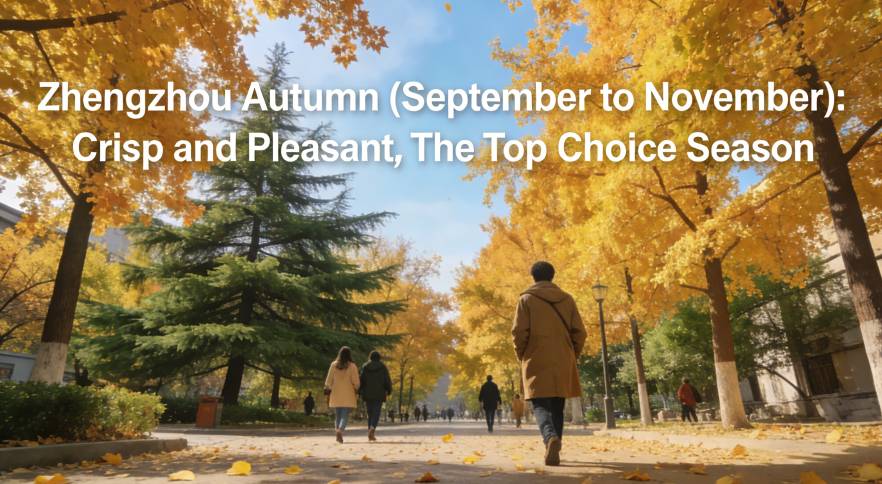
Autumn (September–November): Clear skies and crisp air—the prime season
Autumn is widely regarded as the best time to visit Zhengzhou and all of northern China.
Weather: September is warm (20–28°C), October is pleasantly cool (12–22°C), and November gradually turns colder. Rainfall is scarce, and skies are azure blue.
Pros:
Ideal climate: Temperature, humidity, and sunshine strike the perfect balance, suitable for all types of travel.
Spectacular scenery: The changing colors of Mount Song’s foliage create breathtaking views.
Festive atmosphere: The Mid-Autumn Festival (typically in September/October) offers a unique cultural experience.
Cons:
Peak tourist season: October, especially during the National Day Golden Week, sees extremely high visitor numbers. Book everything well in advance.
November brings rapid cooling: Temperatures may drop sharply toward the month’s end.
Dressing Tips: Summer/autumn attire in September; add jackets and sweaters from October to November.
Key Activities: Mid-Autumn moon viewing, autumn scenery at Mount Song, National Day celebrations (though avoid crowds).
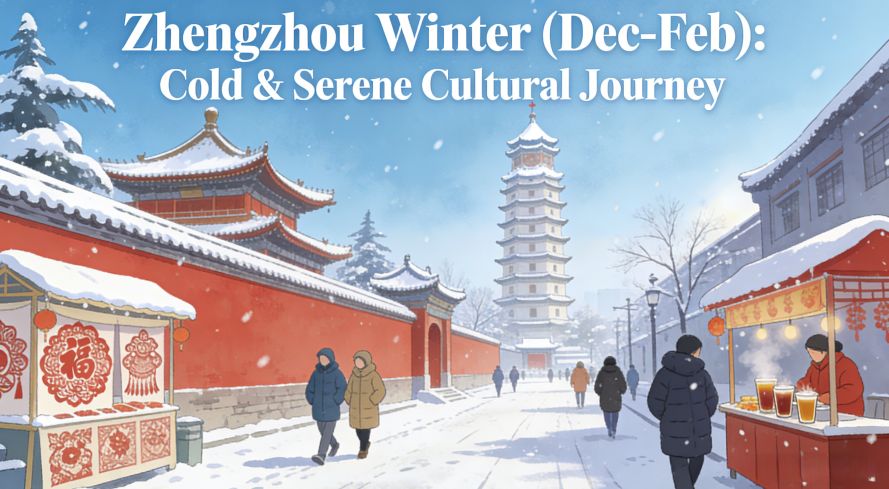
Winter (December to February): Cold and Serene, Cultural Journey
Winter is cold and dry, with fewer tourists, making it ideal for travelers seeking tranquility and cultural immersion.
Weather: Cold and dry, with average temperatures around 0-5°C (32-41°F), dropping below freezing at night. Snowfall is minimal, but smog may occur.
Pros:
Very few tourists: Attractions are exceptionally quiet, allowing you to enjoy the scenery in solitude.
Discounted tickets & hotels: Off-peak season offers the lowest prices.
Indoor cultural immersion: Perfect for exploring museums and historical sites.
Cons:
Cold weather: Outdoor activities are limited, and prolonged exposure can be uncomfortable.
Potential smog: Air quality may be poor at times.
Reduced services: Some mountain attractions or outdoor activities may close or operate on reduced schedules.
Dressing Tips:
Thermal underwear, thick down jacket, hat, scarf, gloves, and slip-resistant boots.
Unique Experience:
Savoring steaming hot stewed noodles and spicy soup in warm indoor settings offers a distinctive flavor.
Monthly Quick Reference Chart
| Month | Average Temperature | Weather Overview | Travel Recommendation Rating | Key Considerations |
| Jan-Feb | -2°C to 6°C | Cold, dry, possible smog | ⭐★☆☆☆ | Suitable for indoor cultural activities. Essential to bundle up and monitor air quality. |
| March | 5°C–15°C | Warming, windy, occasional dust storms | ⭐⭐★☆☆ | Early spring chill lingers, ideal for spring outings. |
| April | 11°C–20°C | Warm, sunny, comfortable | ⭐⭐⭐⭐⭐ | One of the best months, suitable for all activities. |
| May | 16°C–25°C | Pleasantly warm, abundant sunshine | ⭐⭐⭐⭐⭐ | One of the best months, peak tourist season begins. |
| June | 21°C–30°C | The hot, humid, rainy season begins | ⭐⭐⭐☆☆ | Last comfortable window before summer’s intense heat. |
| July-August | 24°C-33°C+ | Hot and humid, with frequent thunderstorms | ⭐⭐☆☆☆ | Avoid midday outdoor activities; stay cool and hydrated. |
| September | 19°C-28°C | Early autumn coolness, stable weather | ⭐⭐⭐⭐⭐ | One of the best months, summer vacation ends, tourist crowds subside. |
| October | 12°C–22°C | Clear and crisp autumn, the best time of year | ⭐⭐⭐⭐⭐ | Most popular month, but avoid National Day Golden Week (Oct. 1–7). |
| November | 6°C–15°C | Late autumn turns cold and dry | ⭐⭐⭐★☆ | Early part still excellent, late part requires winter gear. |
| December | 0°C–8°C | Cold, dry, possible fog | ⭐★☆☆☆ | Winter sets in, ideal for travelers seeking tranquility. |
Important Holidays and Events to Consider
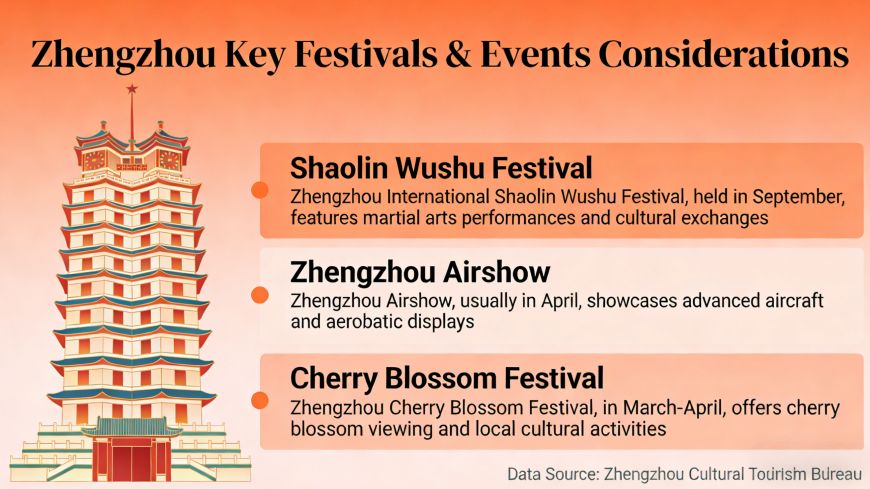
Spring Festival (Lunar New Year, January/February): Not recommended for regular travel. While festive, millions of Chinese return home, making transportation tickets scarce and many shops and services closed.
National Day Golden Week (October 1–7): Strongly discouraged. This is one of China’s longest holidays, with all popular attractions (like Shaolin Temple) overcrowded and offering a poor experience. If you must visit in October, choose dates before or after the Golden Week.
Mid-Autumn Festival (15th day of the 8th lunar month, September/October): Recommended for experiencing the cultural atmosphere of family reunions, tasting moon cakes, and moon viewing. Typically, only one day off, causing minimal disruption.
Ultimate Tips for Foreign Visitors
- Opt for the Two Seasons: April-May and September-October (avoiding National Day week) are the absolute best times for worry-free travel.
- Book Ahead: Especially during peak spring/autumn periods and any holidays, be sure to reserve hotels, high-speed rail tickets, and popular attraction tickets well in advance.
- Check Air Quality: Before winter trips, use apps like “AirVisual” to monitor Zhengzhou’s Air Quality Index 4. Dress in Layers: Regardless of the season, layering is always wise due to temperature fluctuations.
- Set Realistic Expectations: Zhengzhou is a modern provincial capital whose appeal lies in its rich historical heritage (museums, Shaolin Temple) and convenient transportation hub status, not picturesque rural landscapes.
Visiting Zhengzhou in spring (April-May) or autumn (September-October, avoiding Golden Week holidays) is a nearly foolproof choice. These seasons offer ideal conditions for exploring the city and its surrounding world-class cultural heritage sites, from the Shaolin Temple to the Henan Museum. Plan wisely and enjoy your Zhengzhou journey!
Related Reading:
- Zhengzhou travel guide
- Zhengzhou Travel: Top Things to Do in China’s Central Plains
- Zhengzhou 3-Day Itinerary: Shaolin Temple & Top Attractions (2026)
- Zhengzhou Itinerary 5-Day:Complete Guide Travel 2026
- Zhengzhou to Luoyang Day Trip: Full Itinerary & Travel Guide for 2026
- What is Zhengzhou Famous For? Shaolin Temple, Yellow River & More (2026)