
What is Zhengzhou Famous For? Shaolin Temple, Yellow River & More (2026)
What is Zhengzhou famous for?
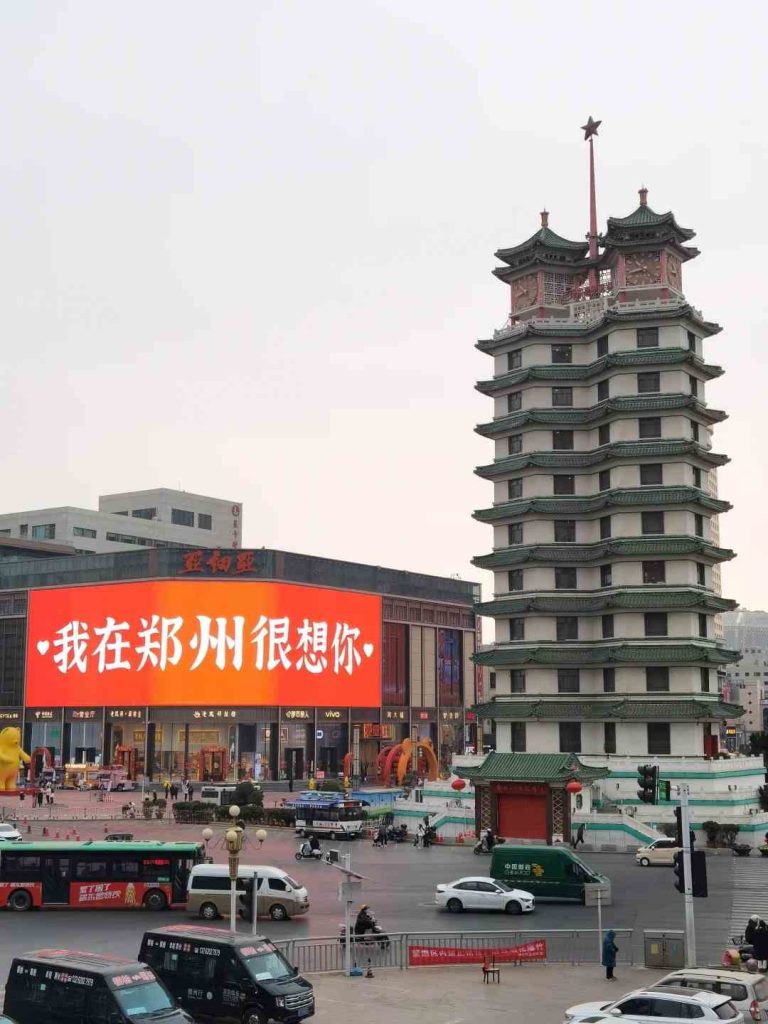
Zhengzhou, as the capital of Henan Province and a major city in central China, may not be as internationally renowned as Beijing or Shanghai. However, for travelers seeking to explore China’s rich history, culture, and rapid modernization, Zhengzhou is a hidden gem. The city is renowned for its unique blend: it stands as one of China’s most vital transportation hubs, serves as the gateway to the legendary Shaolin Temple, stands as the cradle of Yellow River civilization, and thrives as a dynamic modern commercial center. This article will delve into Zhengzhou’s most celebrated aspects, helping international visitors gain a comprehensive understanding of this captivating city.
Zhengzhou Transportation Hub: China’s “Crossroads”
One of Zhengzhou’s most widely recognized titles is “the heart of China’s railways.” This is no exaggeration.
Central Location: The Beijing-Guangzhou Railway (north-south artery) and the Longhai Railway (east-west artery) converge here, making Zhengzhou one of the most critical junctions in China’s rail network. Traveling by train to major Chinese cities is exceptionally convenient.
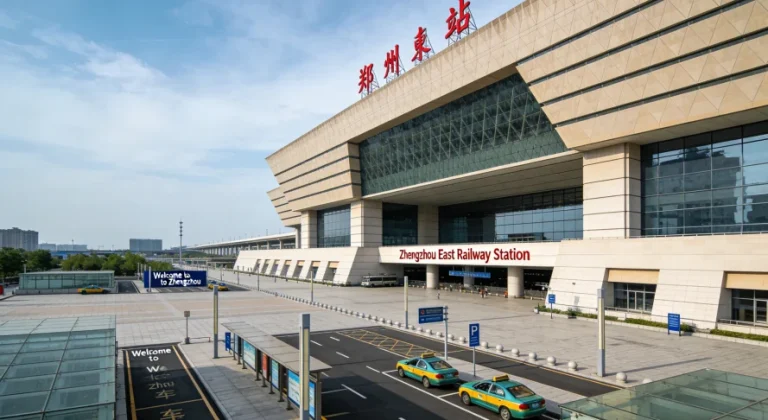
High-Speed Rail Network: Zhengzhou East Station ranks among Asia’s largest high-speed rail hubs. From here, high-speed trains reach Xi’an in under 2 hours, Beijing or Wuhan in under 3 hours, and Shanghai in under 5 hours. For travelers, this makes Zhengzhou an exceptionally efficient base for exploring Central China.
Xinzheng International Airport: As Central China’s primary aviation gateway, this airport connects to numerous domestic and international destinations, making it a popular choice for foreign visitors entering the region.
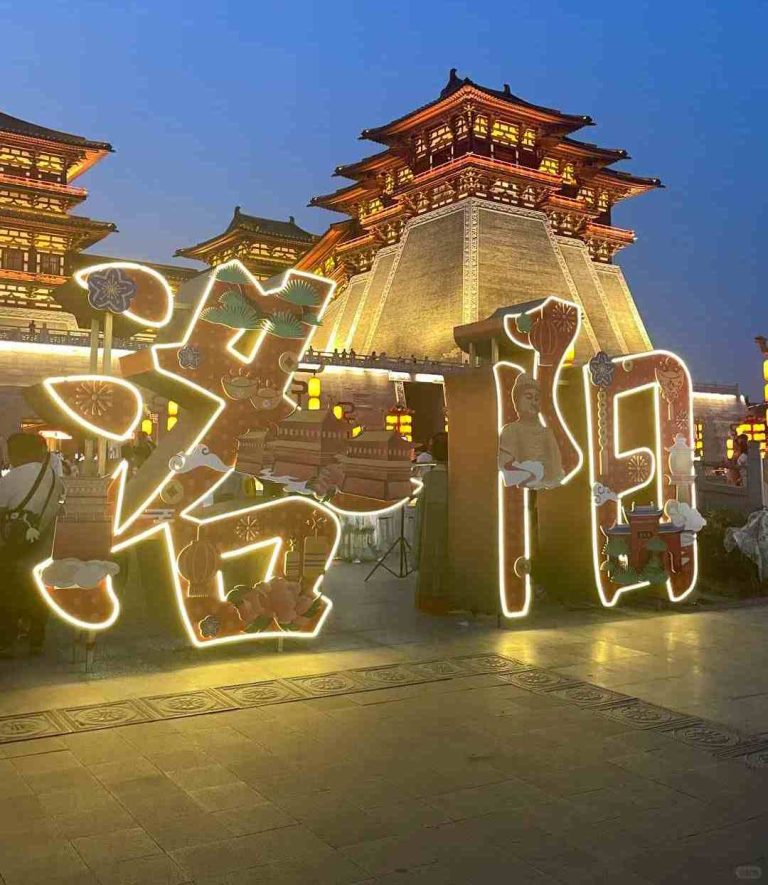
Significance for Travelers: Regardless of where your China journey begins, Zhengzhou can serve as a convenient transit point or starting point, offering easy access to popular destinations like the Shaolin Temple, Luoyang (Longmen Grottoes), and Kaifeng.
Zhengzhou History and Culture: Shaolin Temple and the Yellow River
The Zhengzhou region stands as one of the most significant birthplaces of Chinese civilization, boasting thousands of years of history.
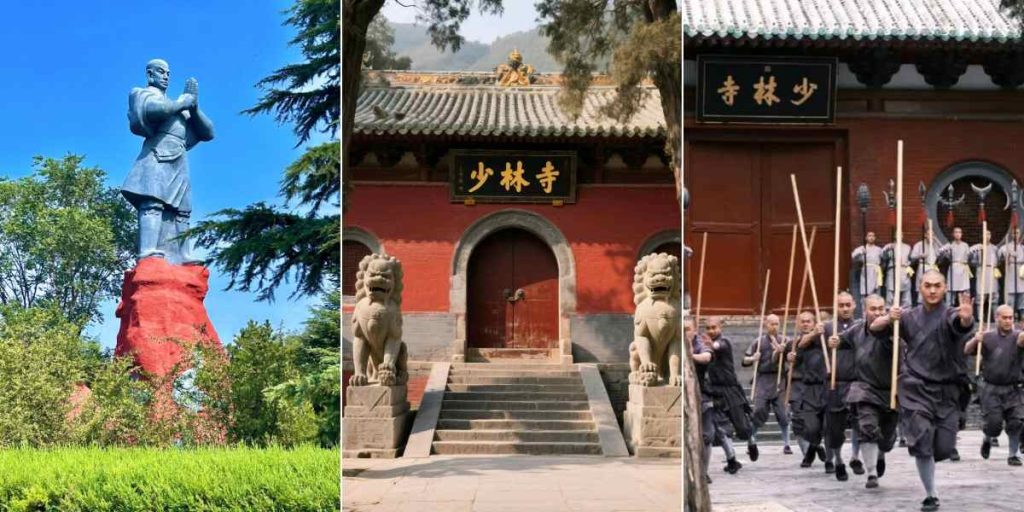
1. Shaolin Temple and Shaolin Kung Fu
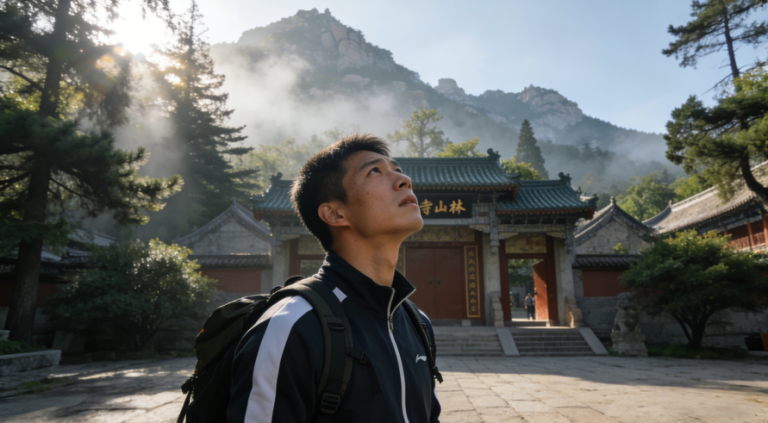
Although the Shaolin Temple is technically located in Dengfeng City, it is only about a 1.5-2 hour drive from Zhengzhou and remains a must-visit destination for nearly all tourists coming to Zhengzhou. Therefore, Zhengzhou serves as the primary gateway to the Shaolin Temple.
Shaolin Kung Fu: This Buddhist temple is the birthplace of Shaolin Kung Fu, the globally renowned Chinese martial art. Visitors can witness breathtaking martial arts performances and experience its profound philosophy and history.
Ancestral Home of Chan Buddhism: It also stands as a crucial ancestral home for China’s Chan Buddhism. The temple itself and its surrounding Pagoda Forest (a cluster of stupa tombs for eminent monks throughout history) form part of the UNESCO World Heritage Site “Central Plains of China” historical complex.
Mount Song: Shaolin Temple sits at the foot of the majestic Mount Song, one of China’s Five Great Mountains (Central Peak), blending natural beauty with cultural significance.
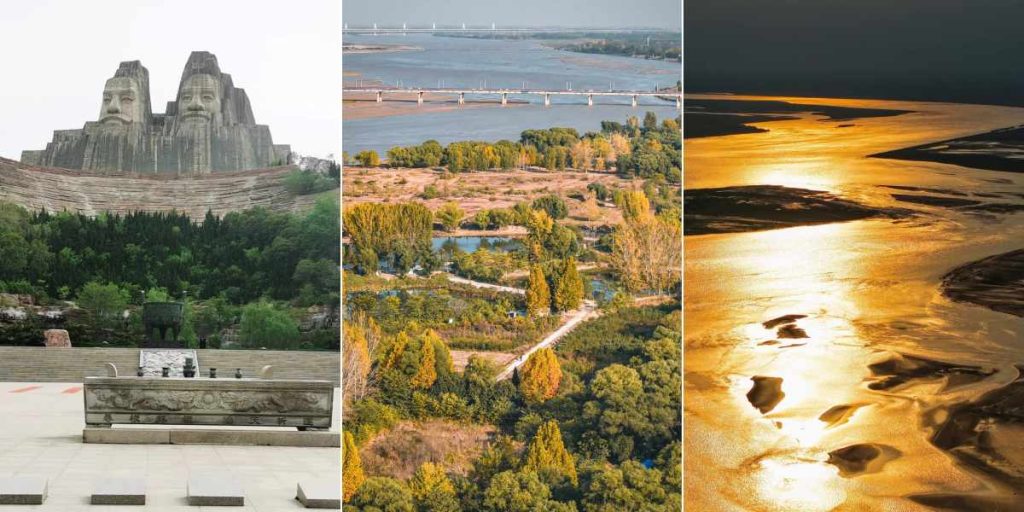
2. Yellow River—Mother River of Chinese Civilization
The Yellow River flows north of Zhengzhou. Visiting the river here reveals its central role in Chinese history and culture.
Yellow River Scenic Area: Witness the river’s majestic landscapes and explore the monumental statues of the Yellow Emperor and Yan Emperor (honoring the legendary founders of the Chinese nation).
Yellow River National Geopark Museum: Learn about the river’s geological formation, historical transformations, and profound impact on Chinese civilization.
The “Suspended River” Phenomenon: Near Kaifeng (accessible via a day trip from Zhengzhou), witness the unique sight of the riverbed elevated above the surrounding land, offering profound insight into the history of Yellow River management.
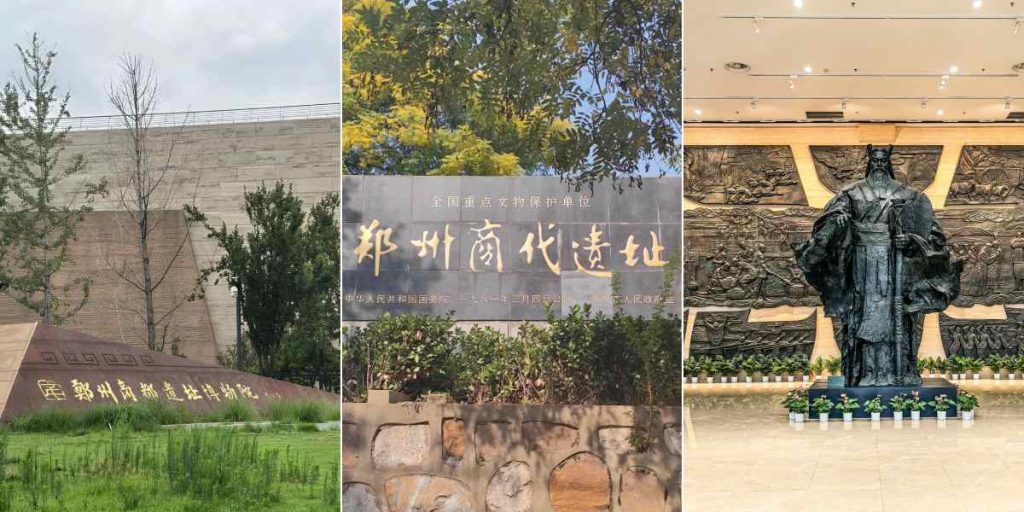
3. Ancient Capital of the Shang Dynasty
With over 3,600 years of urban history, Zhengzhou served as a major capital during the early Shang Dynasty. The Zhengzhou Shang City Ruins preserve ancient city wall remnants, standing as silent witnesses to the city’s enduring legacy.
Zhengzhou Modern Commerce: An Evolving National Central City
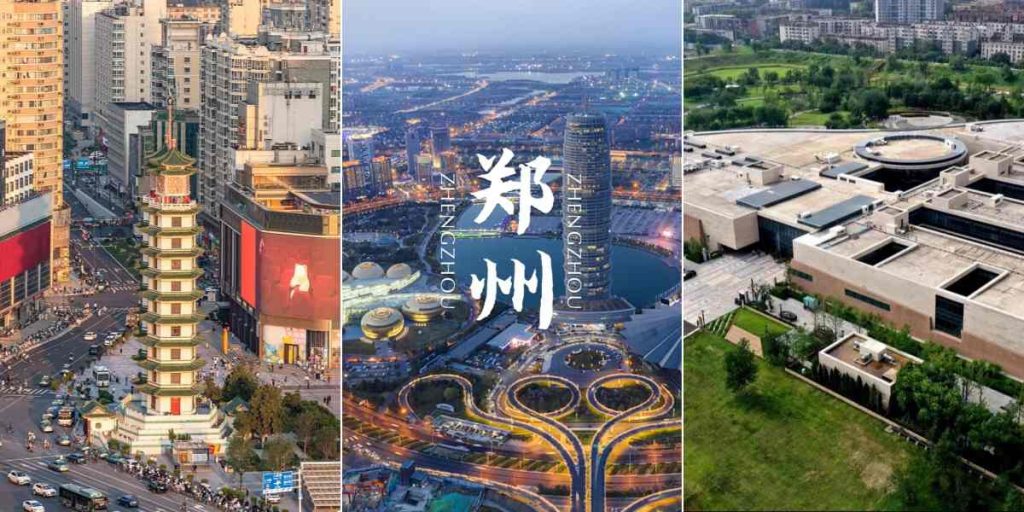
Beyond its historical legacy, Zhengzhou is also a rapidly modernizing international metropolis.
Henan Pilot Free Trade Zone: The Zhengzhou section, part of the national-level free trade zone, has attracted substantial domestic and international investment, particularly in logistics, finance, and technology.
Zhengzhou Commodity Exchange: As China’s first futures exchange, it wields significant influence in global agricultural futures markets (e.g., apples, white sugar).
Smart Device Manufacturing: Zhengzhou ranks among the world’s largest smartphone manufacturing hubs, producing devices for numerous renowned brands.
Significance for Visitors: This translates to modern infrastructure, upscale shopping centers, international hotels, and a vibrant urban atmosphere—fully catering to the needs of contemporary travelers.
Zhengzhou’s Signature Cuisine: A Noodle Lover’s Paradise
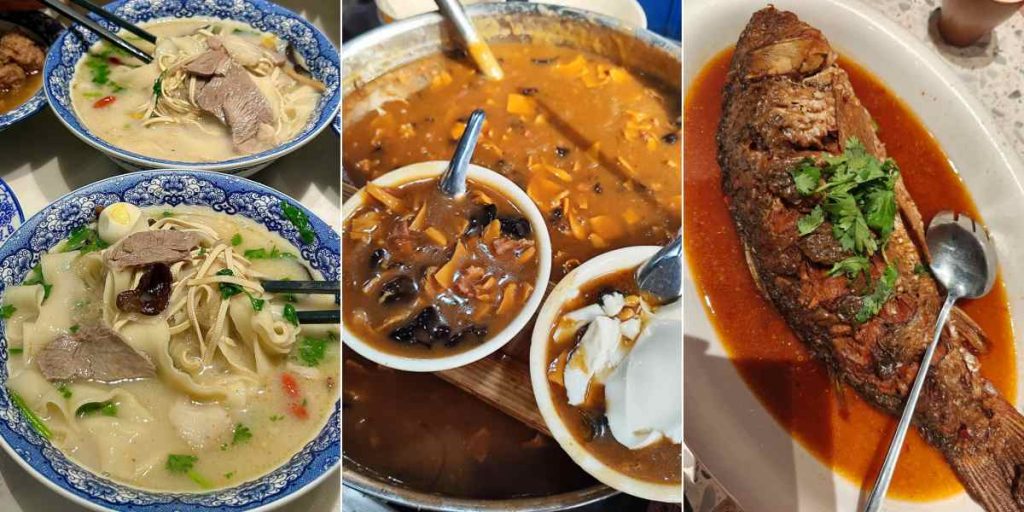
Henan cuisine represents the Central Plains culinary tradition, with Zhengzhou at its heart. The region’s culinary highlights center around noodle dishes and flavorful soups.
Hui Mian: Zhengzhou’s most renowned specialty. This dish features wide noodles immersed in a rich, milky broth simmered for hours with lamb or beef, typically served with wood ear mushrooms, tofu skin, and glass noodles. It’s the perfect comfort food to warm both body and soul.
Hu La Tang: A fiery, thick broth containing wheat gluten, beef/lamb, wood ear mushrooms, and a blend of spices. This is a beloved local breakfast, especially perfect for chilly mornings.
Pan-fried Buns: Small buns with a crispy bottom and soft top, often filled with pork or chives, offering a delicious bite.
Yellow River Carp: Carp sourced from the Yellow River, typically prepared braised in soy sauce or sweet and sour style. Its tender, flavorful meat makes it an excellent choice for experiencing authentic Yellow River cuisine.
Best Time to Visit Zhengzhou & Travel Tips
Best Time: Spring (April–May) and Autumn (September–October). Mild and pleasant weather makes these seasons ideal for outdoor exploration and historical tours.
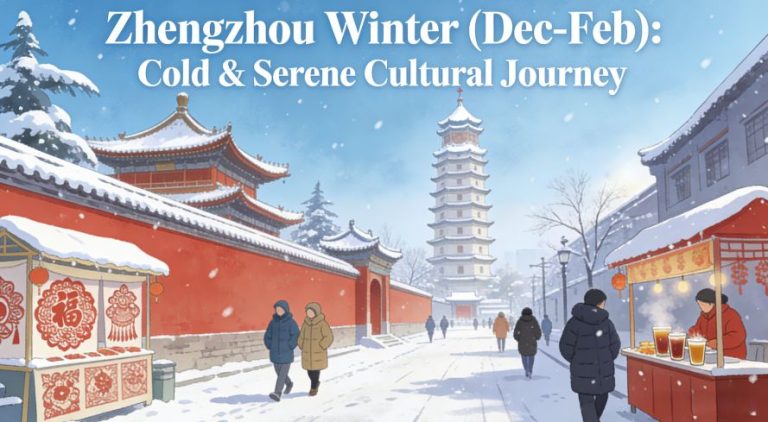
Summer (June–August) can be hot and humid, while Winter (December–February) is colder and drier but sees fewer tourists.
Recommended Stay: 2-3 days suffice to cover Zhengzhou’s main attractions while using the city as a base for at least one day trip (e.g., Shaolin Temple/Songshan Mountain or Luoyang).
Language: Mandarin is the primary language. Basic English may be understood in tourist areas and upscale hotels, but learning a few simple Chinese phrases or using translation apps proves highly beneficial.
Currency: Renminbi (CNY). Credit cards are widely accepted at major establishments, but carry some cash for street food stalls and markets.
What is Zhengzhou famous for? The answer is multifaceted: it serves as a modern gateway to ancient Chinese martial arts and Buddhist pilgrimage sites (Shaolin Temple), while also being a historic city along the Yellow River, the cradle of Chinese civilization; It serves as both a national transportation hub and a thriving commercial center; finally, it can captivate your taste buds with a steaming bowl of huimian noodles. For foreign travelers seeking to venture beyond China’s conventional tourist routes and delve into its cultural roots and modern vitality, Zhengzhou offers a uniquely rich travel experience.
May this guide help you discover Zhengzhou’s travel charm and begin planning your journey!